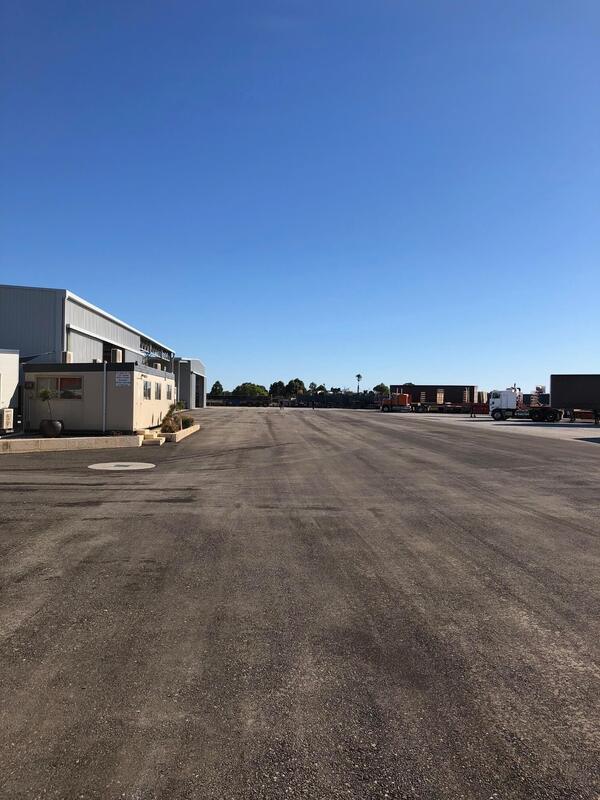
A driveway that is used several times every day needs to do more than provide a neat entrance to a property. Repeated vehicle movements, turning, braking and parking continually place loads on the pavement, particularly where tyres follow the same paths. If the driveway has not been constructed with these demands in mind, cracking, rutting and uneven settlement can begin to develop.
Asphalt is particularly well suited to frequently used driveways because it combines strength, flexibility and a smooth, continuous finish. However, reliable performance depends on the complete pavement structure. Proper preparation, a stable base, accurate grading, drainage and professional compaction are just as important as the asphalt itself.
For property owners in Penrith, NSW, understanding these factors can help when deciding whether asphalt is appropriate for a new driveway or the resurfacing of an existing one.
What Makes Asphalt Suitable for Regular Driveway Traffic?
Asphalt is designed to form a dense, bound pavement capable of accommodating repeated vehicle movements. Unlike an unsealed driveway, there is no loose surface material continually being displaced by tyres.
Its combination of stability and flexibility allows a correctly constructed pavement to distribute everyday vehicle loads through the layers beneath it.
This makes asphalt particularly practical where a driveway is used regularly by several vehicles or where the same sections experience repeated parking and turning.
It Provides a Strong, Consistent Driving Surface
Frequently used driveways benefit from having a consistent surface profile.
Ruts, loose material and uneven sections can make vehicle movements less comfortable while creating low points where water collects. Asphalt provides a continuous surface that allows vehicles to enter, leave, park and manoeuvre more smoothly.
A consistent surface is especially useful around turning areas and entrances where tyres regularly place additional stress on the pavement.
Asphalt Has Useful Flexibility
A driveway pavement experiences more than downward vehicle weight. Braking, steering and turning create additional forces across the surface.
Asphalt has a degree of flexibility that allows a properly designed pavement to accommodate everyday stresses without behaving as a completely rigid surface.
This does not mean asphalt cannot crack. Weak foundations, poor drainage or unsuitable construction can still cause deterioration. Its effectiveness comes from combining the asphalt layer with a pavement structure capable of supporting the traffic above it.
Repeated Wheel Paths Can Be Properly Supported
Vehicles travelling along a driveway generally follow similar wheel paths each day. These sections consequently receive substantially more loading than areas that are rarely driven over.
If the foundation is inadequate, repeated loading can eventually create wheel ruts and depressions.
Professional driveway construction considers these traffic patterns when preparing the pavement. A well-compacted base provides support beneath frequently travelled sections, while the asphalt creates a durable wearing surface above.
Asphalt Provides a Bound Surface
Unsealed driveways can gradually lose their original shape as vehicle tyres move loose material away from commonly travelled areas.
Wheel tracks can deepen, aggregate can migrate towards the edges and corrugations may develop. Rainfall can make these problems worse by washing material into lower areas.
Asphalt binds the wearing surface together, significantly reducing this continual displacement.
For a driveway experiencing regular traffic in Penrith, this provides a more stable and manageable surface for everyday use.
A Strong Foundation Is Essential
The reliability of an asphalt driveway begins below the visible surface.
The base is responsible for supporting vehicle loads and distributing them across the underlying ground. If this layer contains weak areas or has not been compacted adequately, the asphalt can eventually reflect that instability.
Possible signs of foundation problems include:
- Wheel rutting
- Localised depressions
- Recurring cracks
- Potholes
- Uneven settlement
- Breaking pavement edges
Professional preparation helps establish a uniform platform before asphalt is installed.
Simply laying asphalt over unsuitable ground does not create a durable driveway.
Good Drainage Protects Frequently Used Driveways
Water is an important consideration for any pavement.
If rainfall repeatedly collects in wheel tracks, depressions or poorly graded sections, moisture may eventually enter through cracks and affect the supporting layers underneath.
Once the base becomes weakened, regular vehicle traffic can accelerate pavement deterioration.
Correct grading establishes appropriate surface falls so water moves away instead of remaining on the driveway. Surrounding drainage conditions should also be considered to prevent runoff from continually flowing back across the pavement.
Effective water management helps protect both the asphalt and its foundation.
Correct Compaction Improves Pavement Stability
Compaction is essential at several stages of driveway construction.
The supporting materials need to be consolidated to create a stable base, while the asphalt itself requires correct compaction to achieve appropriate density and surface consistency.
Inadequately compacted areas may continue settling once regular traffic begins. This can create depressions and place additional stress on adjoining pavement.
Professional compaction helps the different pavement layers function together as a stable structure.
Asphalt Works Well Around Turning and Parking Areas
Driveways do not experience traffic in a straight line alone.
Turning, reversing and parking can place considerable stress on particular sections because tyres exert forces across the surface as vehicles change direction. Areas near garages, parking spaces and driveway entrances can consequently experience more wear.
An asphalt pavement designed for the expected use can accommodate these repeated movements effectively.
Where certain areas will experience particularly concentrated traffic, their requirements should be considered during preparation rather than treating every part of the driveway identically.
Maintenance Can Help Preserve the Surface
Even a professionally constructed asphalt driveway will gradually age.
Environmental exposure and repeated traffic can eventually contribute to cracking, surface wear and other minor defects. Identifying these changes early helps prevent manageable problems from progressing further.
Small cracks, for example, can allow water into the pavement if they are ignored. Localised deterioration can also expand under repeated vehicle loading.
Periodic inspection and timely maintenance therefore play an important role in maximising the useful life of a frequently used driveway.
Asphalt Can Be Resurfaced When Conditions Are Suitable
Another practical characteristic of asphalt is that an ageing driveway may not always require complete reconstruction.
If the supporting pavement remains structurally sound but the wearing surface has become extensively weathered or deteriorated, asphalt resurfacing may provide an appropriate solution.
The existing driveway should first be inspected, and defects requiring attention should be repaired. A new asphalt wearing course can then restore surface consistency and provide renewed protection to the pavement underneath.
Where significant base failure or settlement exists, however, those problems need to be corrected before resurfacing.
Why Driveway Design Should Reflect Actual Usage
Not every driveway experiences the same demands.
A surface used occasionally by one passenger vehicle has different requirements from a driveway accommodating several vehicles throughout the day. Vehicle type, frequency of use, parking arrangements and turning movements can all influence pavement design.
Understanding how the driveway will actually be used allows the preparation and surfacing approach to be matched more closely to its requirements.
This is where professional assessment adds value. The objective should be to construct a driveway appropriate for its expected traffic rather than applying the same specification to every property.
Professional Installation Makes the Difference
Asphalt itself is only one component of a dependable driveway.
Site preparation, base condition, pavement levels, drainage and compaction determine how effectively the finished surface will cope with repeated traffic. Weaknesses in any of these areas can eventually become visible through the asphalt.
At Penrith Road Tek, we take the condition and intended use of the complete pavement into account when undertaking asphalt and bitumen surfacing. Careful preparation helps create a driveway that is suited to regular vehicle movements and dependable everyday access.
Conclusion
Asphalt is a reliable choice for frequently used driveways because it provides a strong, smooth and bound surface capable of accommodating repeated vehicle movements. Its flexibility, consistent finish and suitability for future maintenance make it practical for driveways experiencing regular parking, turning and everyday traffic.
The long-term result, however, depends on more than the asphalt layer. A stable foundation, effective drainage, accurate grading and correct compaction are essential if the driveway is to perform reliably.
For property owners in Penrith, NSW, Penrith Road Tek provides professional asphalt and bitumen surfacing and resurfacing services. If an existing driveway is deteriorating or you are considering upgrading a frequently used access surface, arranging a professional assessment can help determine the most appropriate approach for durable, dependable performance.
Call us on: 02 5135 3012
Click here to find out more about Penrith Road Tek
Click here to complete our contact form and see how we can help with your Asphalt and Bitumen Surfacing needs.