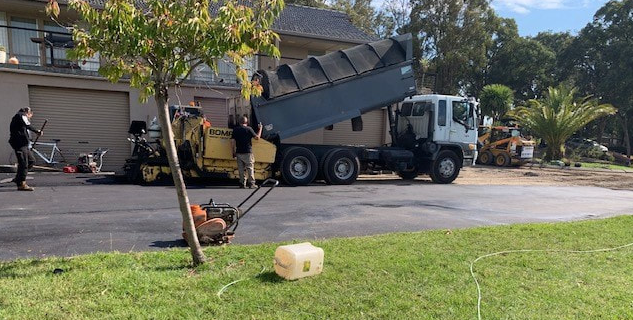
Consistent road levels are essential for safety, drainage, and long-term surface performance. Uneven roads place stress on pavement layers, disrupt water flow, and accelerate wear. In Penrith, NSW, professional grading plays a central role in creating and maintaining uniform road levels before asphalt or bitumen surfacing is applied.
At Penrith Road Tek, grading is treated as a precision process that sets the foundation for reliable, high-performing roads.
What Grading Achieves Before Surfacing
Grading involves shaping and levelling the underlying ground to a defined profile. This includes correcting high and low spots, establishing smooth transitions, and forming the correct falls across the road width and length.
By doing this before surfacing, grading ensures the pavement layers sit on a stable, uniform base. Consistency at this stage is what allows the finished road to remain level under traffic and over time.
Preventing High and Low Points
Without proper grading, small irregularities in the base can translate into visible dips, bumps, or waves once the surface is laid. These imperfections not only affect ride quality but also concentrate loads in specific areas.
Accurate grading removes these inconsistencies, creating a balanced platform that supports even compaction and uniform asphalt thickness. This helps the road maintain consistent levels as it carries daily traffic.
Supporting Effective Drainage
Water is one of the biggest threats to road stability. Grading establishes controlled slopes that guide water away from the surface and toward designated runoff points.
When road levels are consistent and drainage paths are correctly formed, water does not pool or track along weak areas. This reduces moisture penetration into the pavement layers and helps the road retain its shape and strength.
Ensuring Uniform Load Distribution
Consistent road levels allow vehicle loads to be distributed evenly across the surface and base. Poorly graded roads can create stress points where weight is concentrated, leading to deformation or early surface fatigue.
By maintaining even levels through professional grading, roads in Penrith are better equipped to handle repeated traffic without developing ruts or depressions.
Maintaining Levels Over the Road’s Life
Grading is not only important during construction but also when rehabilitating or upgrading existing roads. Regrading worn sections restores level alignment and corrects settlement issues before resurfacing takes place.
This approach helps extend road life by ensuring new surface layers are laid on a properly prepared foundation, rather than masking underlying inconsistencies.
Why Professional Grading Matters
Achieving consistent road levels requires experience, accurate equipment, and an understanding of site conditions. Soil behaviour, existing pavement condition, and intended road use all influence how grading should be carried out.
Penrith Road Tek applies a site-specific grading process, ensuring each road surface is shaped and prepared to support long-term performance and structural stability.
Conclusion
Grading is fundamental to maintaining consistent road levels. By creating a uniform base, supporting proper drainage, and ensuring even load distribution, grading helps roads perform reliably and resist premature wear.
For roads in Penrith that require dependable performance and smooth, level outcomes, Penrith Road Tek provides professional grading and surfacing services tailored to local conditions. Contact our team to discuss how proper grading can support consistent road levels and long-lasting results.
Call us on: 02 5135 3012
Click here to find out more about Penrith Road Tek
Click here to complete our contact form and see how we can help with your Asphalt and Bitumen Surfacing needs.